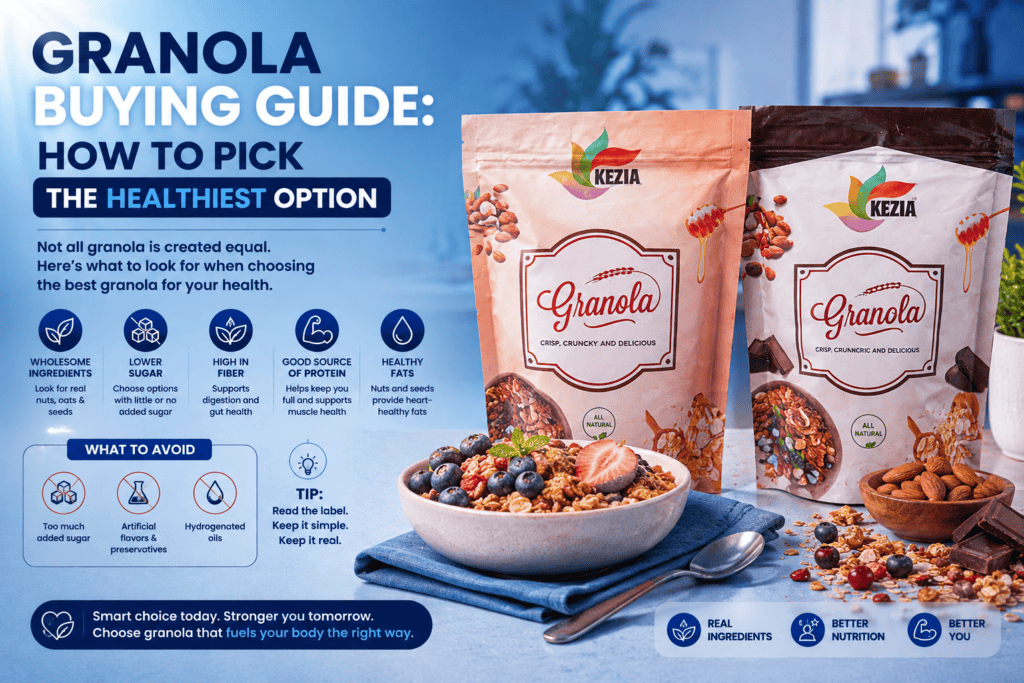
As a passionate health advocate at Kezia Foods, I often spend time walking down the cereal aisles in local supermarkets, and I completely understand how overwhelming it can feel. You are surrounded by colorful boxes, fancy labels, and bold health claims promising high fiber, natural energy, and zero guilt. However, if you flip those packages over, you quickly discover that many commercial brands hide massive amounts of refined sugar, cheap vegetable oils, and synthetic preservatives. That is precisely why I created this comprehensive Granola Buying Guide to help you navigate the noise and confidently select the cleanest, most nourishing options for your home kitchen.
A truly nutritious blend can be one of the absolute best additions to your daily eating routine. Packed with whole grains, crunchy nuts, and nutrient-dense seeds, it offers a wonderful balance of complex carbohydrates, healthy fats, and plant-based protein. Whether you are mixing it into your morning bowl of Bugo Greek yogurt or grabbing a quick handful during a busy workday, making an informed choice ensures you get genuine fuel that supports your metabolic health, keeps your digestive system happy, and sustains your energy levels all day long.
1. The Ingredient List: The Golden Rule of Any Granola Buying Guide
Whenever you evaluate a new product, the very first thing you must do is flip the container around and examine the ingredient list. By law, ingredients are listed in descending order by weight, meaning the items listed at the top make up the bulk of what you are about to eat.
Look for Whole Grains First
The foundational element of an authentic, gut-healthy blend should always be whole rolled oats or other intact ancient grains. Oats are naturally rich in beta-glucan, a powerful soluble fiber known to lower LDL cholesterol, stabilize blood sugar levels, and nourish the beneficial bacteria living in your gut. If the first ingredient listed is refined flour, puffed rice, or a processed starch, put the package right back on the shelf.
Prioritize Whole Nuts and Seeds
High-quality blends do not skimp on real ingredients. Look for options that feature generous amounts of whole almonds, cashews, pumpkin seeds, sunflower seeds, and chia seeds. These whole food ingredients contribute high-quality protein, essential minerals like magnesium and zinc, and heart-healthy monounsaturated and polyunsaturated fats. These healthy fats slow down digestion, keeping you feeling comfortably full for hours after your meal.
2. Unmasking Hidden Sugars: How to Read the Nutrition Label
One of the biggest pitfalls when purchasing store-bought cereals is the hidden sugar trap. Manufacturers often use clever naming tactics to disguise high sugar content under multiple different titles.
According to detailed nutritional guidelines published on Mayo Clinic, consuming excessive added sugars contributes directly to systemic inflammation, rapid energy crashes, and unwanted weight gain over time. When using this Granola Buying Guide at the grocery store, keep an eye out for these common added sugar aliases:
-
High fructose corn syrup and cane juice crystals
-
Brown rice syrup, malt syrup, and tapioca syrup
-
Dextrose, maltodextrin, and evaporated cane juice
Instead of highly processed, refined sweeteners, look for artisanally prepared blends that use modest amounts of unrefined, natural sweeteners like raw wild honey or pure maple syrup. Ideally, a high-value serving should contain no more than 5 to 7 grams of sugar per portion, with the majority of sweetness coming naturally from dried fruits like raisins, dates, or cranberries.
3. Assessing Fats: The Difference Between Whole Oils and Industrial Fillers
Fat is not the enemy; in fact, healthy fats are essential for absorbing fat-soluble vitamins (A, D, E, and K) and maintaining cellular health. However, the type of fat used in your food makes all the difference in the world.
To lower production costs and extend shelf life, many industrial manufacturers bake their grains in highly refined, hydrogenated vegetable oils like palm oil, soybean oil, or generic vegetable oil blends. These highly processed oils are prone to oxidation during high-heat baking, which can produce inflammatory compounds that harm your vascular health.
A superior, dietitian-approved option will always utilize cold-pressed, unrefined oils like extra virgin coconut oil, olive oil, or cold-pressed nut oils. Coconut oil, for instance, provides medium-chain triglycerides (MCTs), which your liver rapidly converts into clean, immediate energy rather than storing as fat.
4. Maximizing Practical Value: Smart Shopping for Nigerian Households
Finding the best healthy granola in Nigeria means balancing exceptional ingredient quality with genuine affordability and convenience. As awareness around wellness grows across our urban centers, more families are seeking out wholesome breakfast options to replace sugary, highly processed instant cereals.
If you are looking for healthy breakfast options in Lagos or searching for reliable places to stock up on wholesome snacks in Abuja, you need to partner with brands that respect traditional food prep. At Kezia Foods, we carefully hand-craft our signature Bugo Classic Granola using thick rolled oats, premium roasted nuts, wholesome seeds, and a subtle touch of natural honey. We completely avoid artificial preservatives, refined sugars, and cheap filler oils because we believe your body deserves pure, uncompromised nourishment.
When checking the granola price in Nigeria, remember that a higher concentration of whole nuts and seeds inherently costs more to produce than a box filled with puffed wheat and refined sugar. Investing in a dense, nutrient-dense blend actually saves you money over time because a smaller, more satisfying serving keeps you full and energized for much longer.
5. How to Pair Your Granola for Maximum Health Benefits
Once you have purchased a clean, high-quality product using this guide, the way you serve it can further amplify its nutritional value. Here are three simple ways to integrate it into your daily meal plan:
The Synbiotic Power Bowl
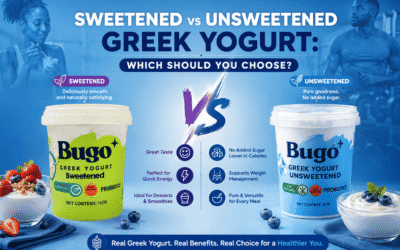
Combine a generous half-cup of your crunchy oat blend with a thick serving of unsweetened, probiotic-rich Bugo Greek yogurt. The live active cultures in the yogurt act as probiotics, while the complex beta-glucan fibers in the oats act as prebiotics. Together, they create a synbiotic effect that optimizes your digestion and boosts your immune system.
Fresh Fruit and Seed Parfait
Layer your crunchy oat mix in a glass jar with fresh local papaya cubes, sliced bananas, and fresh berries. Top with a spoonful of flaxseeds or chia seeds for an extra boost of plant-based omega-3 fatty acids. This makes a visually stunning, nutrient-dense breakfast that kids and adults alike will love.
Satisfying Mid-Day Desk Snack
Keep a small, airtight container of your favorite grain blend at your office desk or in your car. When that 3:00 PM energy dip hits, a small handful provides a quick, crunchy, and satisfying combination of complex carbs and healthy fats that prevents you from reaching for sugar-laden pastries or carbonated soft drinks.
For more evidence-based information on how whole grains and dietary fiber support long-term heart health, you can explore comprehensive dietary resources provided on Harvard Health Publishing.
Final Thoughts: Take Control of Your Daily Nutrition
I hope this Granola Buying Guide empowers you to look past flashy marketing promises and read food labels with total confidence. By prioritizing whole rolled oats, real nuts and seeds, healthy unrefined fats, and low amounts of natural sweeteners, you ensure that every single bite actively contributes to your vitality, digestive health, and long-term wellness goals.
Nourishing your body with real, clean food does not have to be complicated. Choose products crafted with care, share healthy meals with the people you love, and enjoy the wonderful journey toward a vibrant, balanced lifestyle.