Buying yogurt should be one of the simplest decisions you make at the store, yet somehow the dairy aisle has turned into one of the most confusing sections in any supermarket. I still remember standing there years ago, staring at rows of tubs that all claimed to be healthy, wondering why some cost twice as much as others and whether any of it actually mattered. Once I started paying closer attention to labels, ingredients, and how yogurt is actually made, the whole process became far less intimidating, and that is exactly what I want to walk you through today.
Why Buying Yogurt the Right Way Actually Matters
Yogurt has a reputation as a health food, and when you choose well, it absolutely earns that title. It delivers protein, calcium, and beneficial bacteria that support digestion in ways few other everyday foods can match. But the truth is, buying yogurt without checking a few key details can leave you walking out with something closer to a sugary dessert than a nutritious snack. According to Harvard Health, some brands carry a Live and Active Cultures seal that guarantees at least 100 million live cultures per gram at the time of manufacturing, while others simply stir cultures in and skip the fermentation that actually delivers the benefit (Harvard Health). That distinction alone can completely change what ends up in your bowl.
Check the Ingredient List First
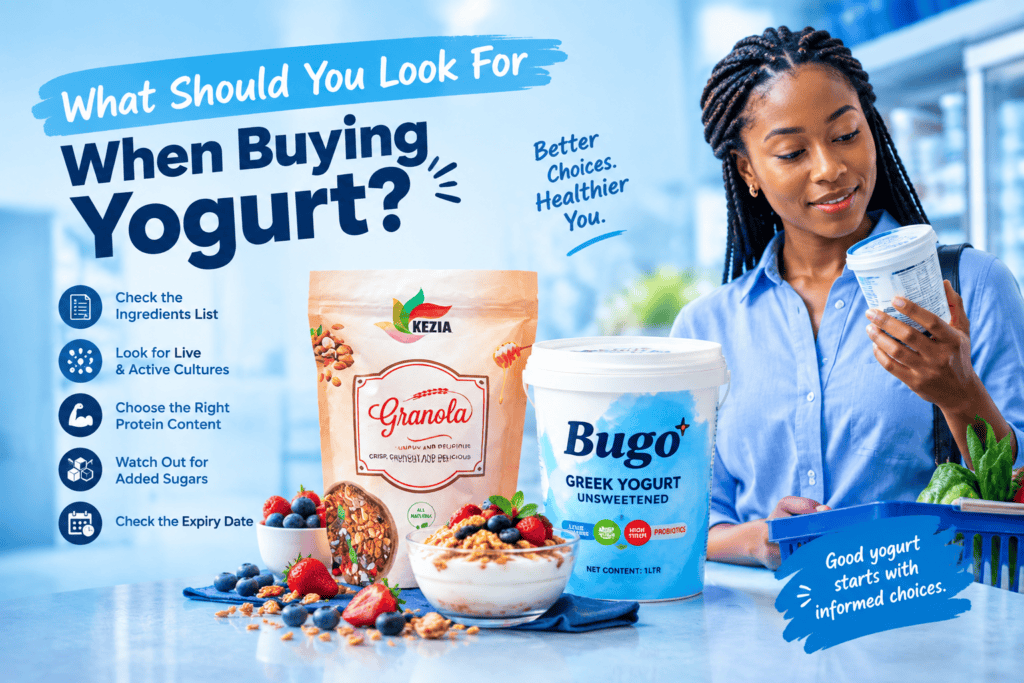
Whenever I am buying yogurt, the very first thing I do is flip the container around and read the ingredients before I even glance at the price. Real yogurt needs only two things to exist, milk and live bacterial cultures. Anything beyond that, especially long lists filled with stabilizers, gums, or artificial flavorings, tells you the manufacturer is compensating for something. Canadian Food Focus puts it plainly, the shorter and simpler the ingredient list, the better, and healthy yogurt should list milk and live cultures as the main components, with fruit only appearing if the product is genuinely flavored with real fruit (Canadian Food Focus). If you see thickeners like cornstarch or gelatin near the top of the list, that is usually a sign the yogurt was not properly strained or fermented in the first place.
Look for Live and Active Cultures
This is the single most important thing to look for when buying yogurt, and it is also the one detail most people skip over entirely. Live active cultures are the beneficial bacteria that support your gut, your immune system, and your overall digestion. Some yogurts are heat treated after fermentation, a process that kills off these cultures completely, leaving you with a product that looks like yogurt but no longer behaves like one biologically. Always check the label for the phrase “live and active cultures,” and be cautious of anything that only says “made with cultures,” since that wording alone does not guarantee they survived the manufacturing process.
If you want to understand exactly how these cultures interact with your digestive system and why they matter so much, our earlier post on how to pair superfoods for maximum digestive benefit walks through this in more detail, and it pairs nicely with what we are covering here in this buying yogurt guide. You can read it over on our page about the best superfoods to pair with yogurt in the morning.
Pay Close Attention to Added Sugar
Sugar is where buying yogurt gets tricky, because flavored varieties can easily contain as much sugar as a candy bar while still being marketed as a health food. Always separate total sugar from added sugar on the label. Total sugar includes the natural lactose already present in milk, which is completely normal, but added sugar is what you want to watch closely. I personally aim to keep added sugar as low as possible, and whenever I want something sweeter, I would rather add my own honey or fresh fruit to plain yogurt than rely on a pre-flavored tub loaded with syrup.
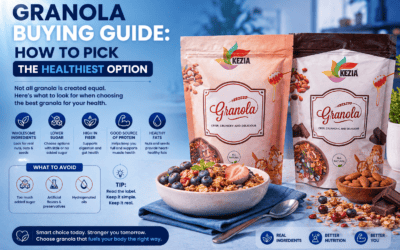
This exact issue comes up constantly when people are buying yogurt alongside granola, so if you enjoy pairing the two, it is worth reading our post on how to read food labels and avoid hidden sugars in granola, since the same sugar tricks manufacturers use in granola show up in flavored yogurt too.
Understand the Difference Between Greek and Regular Yogurt
Not all yogurt is created equal nutritionally, and this matters a lot when you are trying to make the healthiest choice for your body. Greek yogurt is strained to remove excess whey, which concentrates the protein and reduces the natural sugar content compared to regular yogurt. If you are buying yogurt specifically to support muscle recovery, satiety, or a higher protein diet, Greek yogurt is almost always the smarter pick. Regular yogurt still has its place, particularly for anyone who prefers a lighter, thinner texture or wants a bit more calcium, since some of that mineral is lost during the straining process that gives Greek yogurt its thickness.
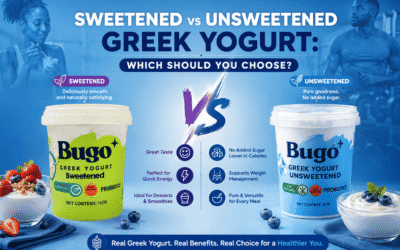
At Kezia Foods, this is exactly why we offer both our Bugo Sweetened Greek Yogurt and our Bugo Unsweetened Greek Yogurt, so you can choose based on your own goals rather than settling for whatever happens to be on the shelf. If you are watching your fat intake closely, our Bugo Non-Fat Greek Yogurt gives you the same protein benefits with a lighter nutritional profile.
Consider Fat Content Honestly
There is a common assumption that zero fat automatically means healthier, but this is not always true when you are buying yogurt. Low fat and fat free versions often make up for the missing fat with additional sugar to keep the taste appealing, which can leave you with a less balanced product overall. A moderate amount of natural milk fat actually helps your body absorb fat soluble vitamins and contributes to a creamier texture that many people find more satisfying, which can help you eat a reasonable portion instead of feeling the need for more.
What to Look for in the Best Yogurt in Nigeria
Finding the best yogurt in Nigeria comes with its own set of practical concerns, particularly around freshness and cold chain handling, since imported yogurt often spends weeks in transit before it ever reaches a store shelf. Locally made yogurt, when produced properly, tends to reach you fresher and with a shorter, more trustworthy ingredient list. This is something I take seriously every single day at Kezia Foods, because our Bugo range is made fresh, strained properly for that authentic Greek texture, and kept free from artificial preservatives that many imported brands rely on for shelf stability.
If you enjoy your yogurt as a drink rather than with a spoon, our Bugo Strawberry Drinking Yogurt and Bugo Vanilla Drinking Yogurt still deliver live probiotic cultures in a lighter, more portable format, perfect for busy mornings or a quick post workout boost. Our Bugo Plain Drinking Yogurt is another excellent option if you want the probiotic benefits without added flavoring getting in the way.
Final Thoughts on Buying Yogurt
At the end of the day, buying yogurt confidently comes down to a handful of consistent habits. Flip the container and check the ingredient list before anything else. Confirm it contains live and active cultures. Watch the added sugar closely rather than trusting front of pack marketing. Decide whether Greek or regular yogurt fits your goals better, and choose your fat content honestly rather than assuming zero fat is automatically the healthier route. Once these habits become second nature, the dairy aisle stops feeling overwhelming, and you start making choices that genuinely support your health rather than just your taste buds.
If you are ready to put this guide into practice, browse our full Bugo Yogurt collection and see for yourself what real, honestly made yogurt should taste like.